February 18, 2026
Water damage is an all-too-common issue faced by homeowners, yet many potential causes are often overlooked. These hidden dangers can lurk around various parts of your home, and failing to recognize them could lead to severe structural damage and costly repairs. With estimates showing that 14,000 people in the U.S. experience a water damage emergency every day in 2024, according to Water Damage Defense, understanding these overlooked causes becomes imperative. This article aims to explore four such causes, highlighting how they can lead to significant problems if left unaddressed. Our exploration will cover issues from roofing to landscaping, offering insights into prevention and management.
1. Poorly Maintained Roofs
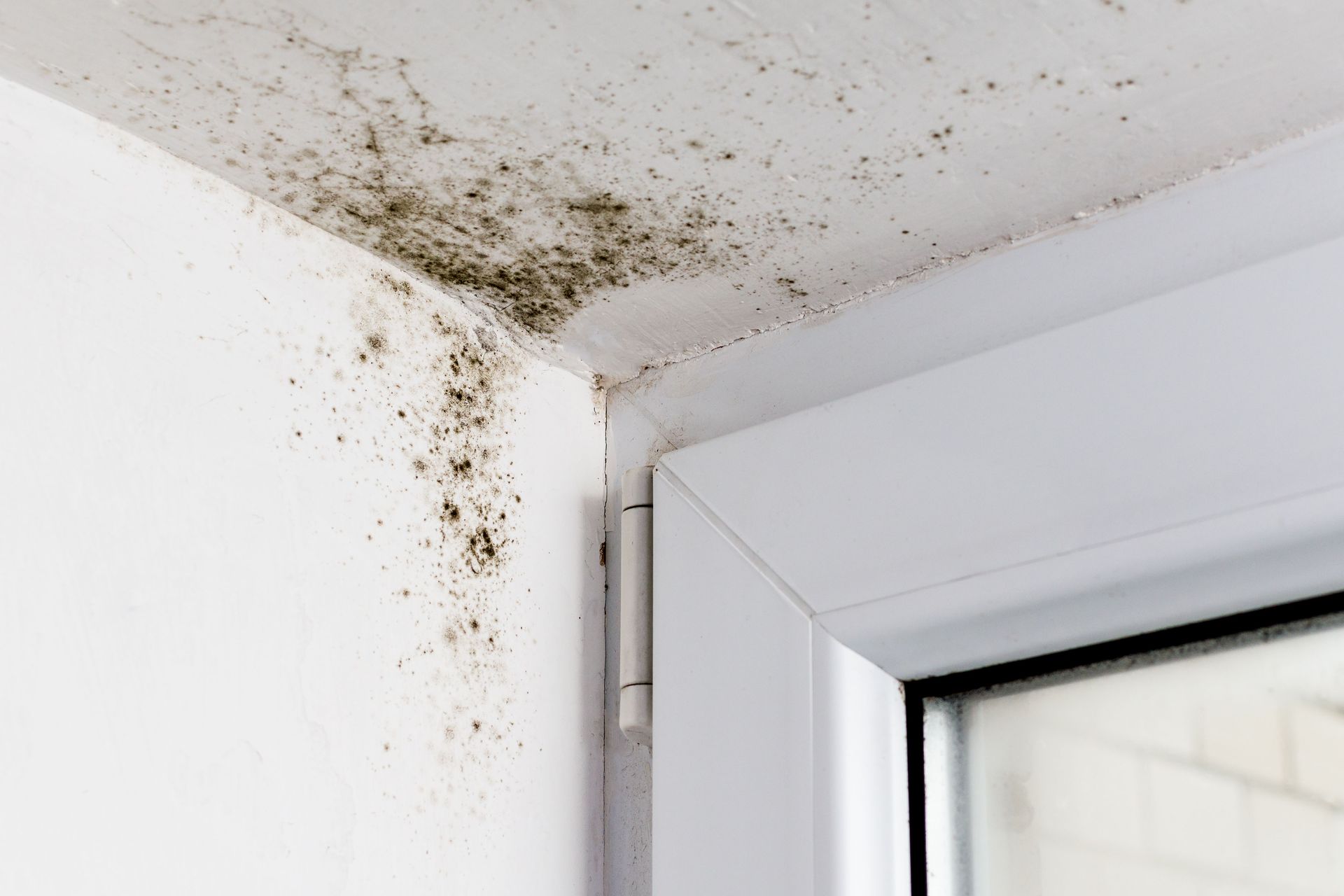
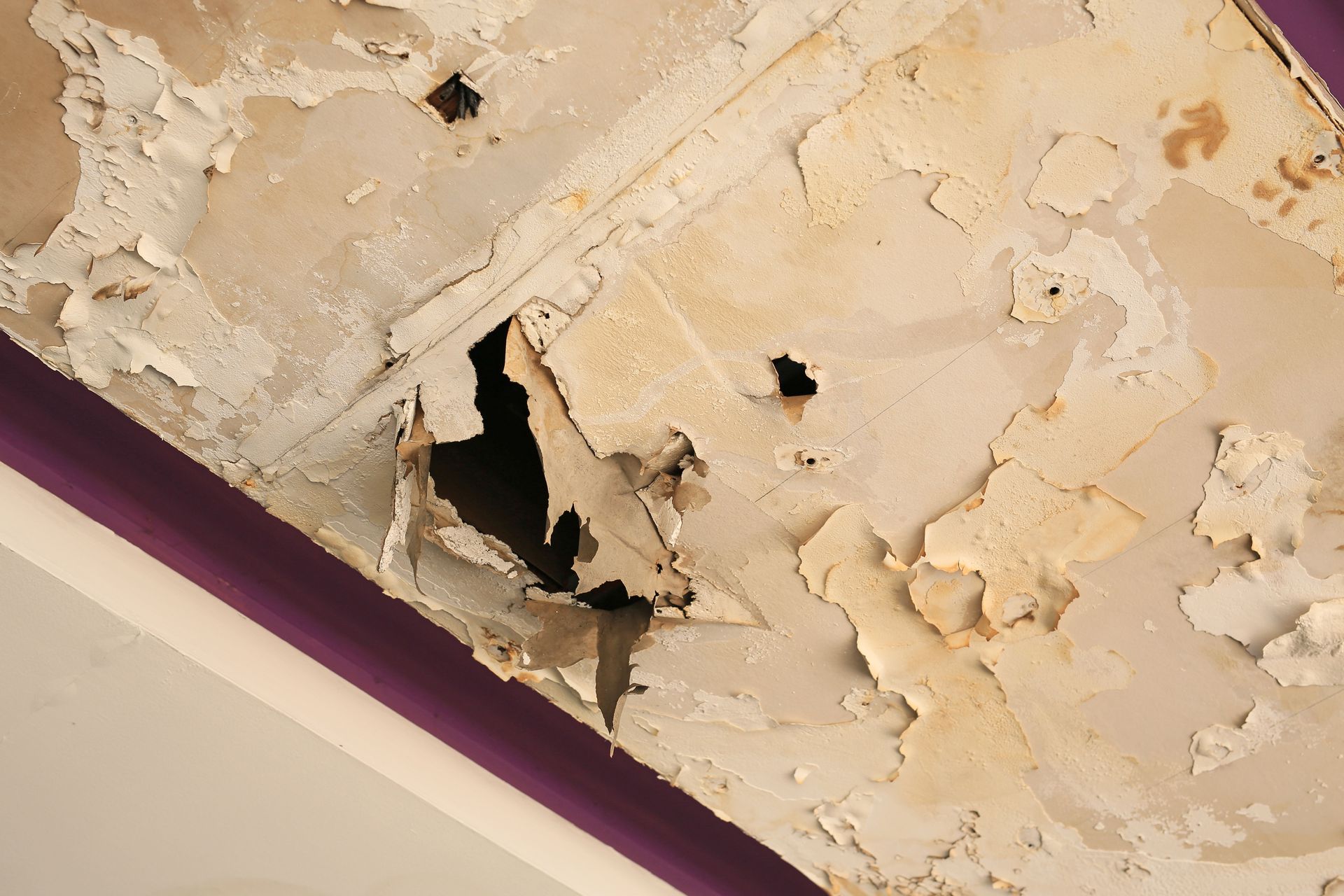
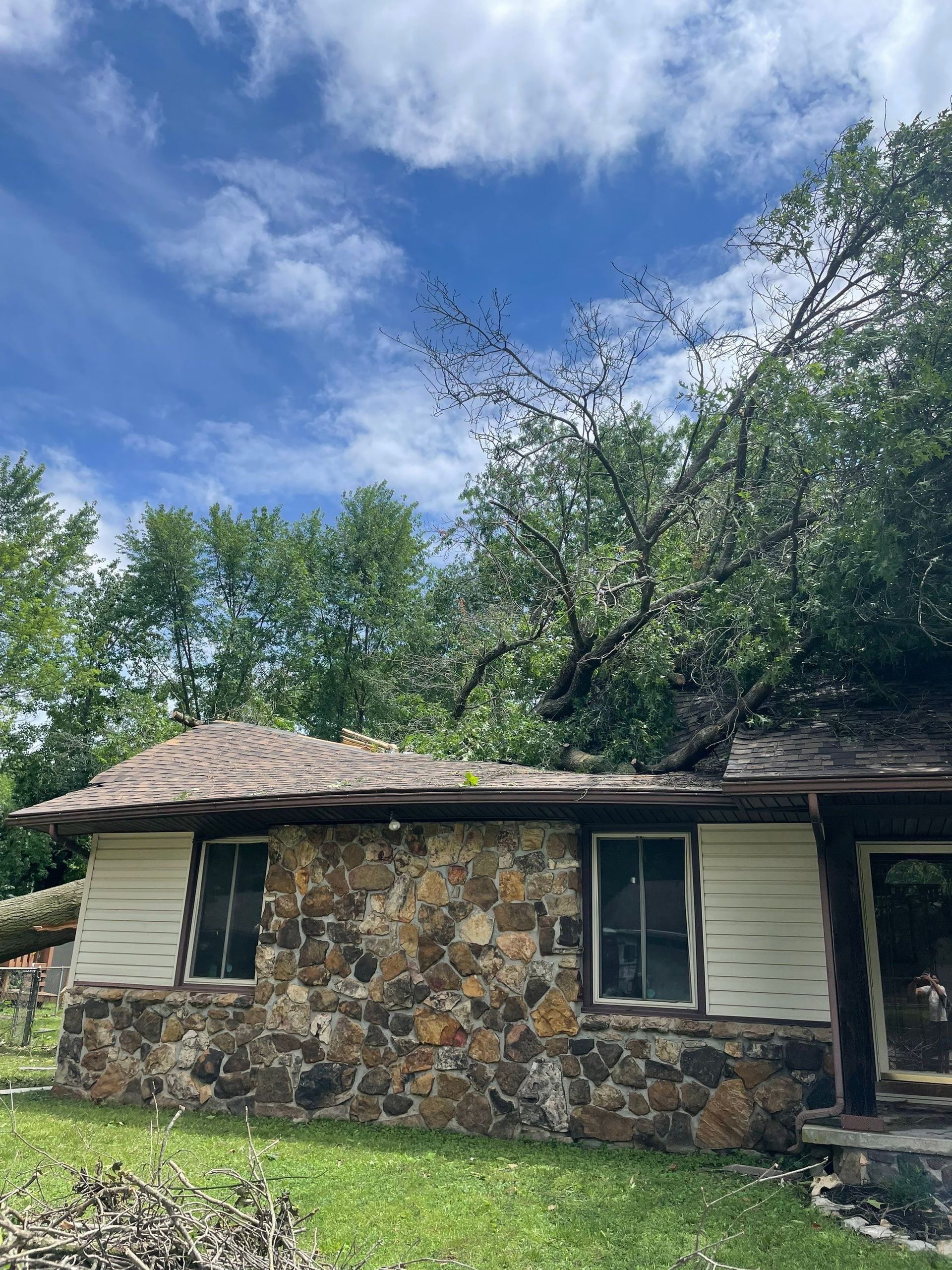
One of the most significant yet often disregarded sources of water damage is poorly maintained roofs. The presence of loose or missing shingles can expose your roof to the elements, allowing rain and moisture to infiltrate. As these elements seep in, not only can they cause damage to the roof structure, but they can also lead to mold growth and interior water damage. Ignoring these minor repairs can result in long-term damage that could have been easily prevented with regular maintenance. Addressing roof issues promptly is crucial in protecting your home's interior from unexpected water leaks.
Clogged gutters and downspouts are another common yet overlooked issue that contributes to water damage. When gutters are filled with debris, rainwater can overflow and seep into the foundation or walls of your home. This accumulation of water can lead to structural damage and weaken your home's integrity over time. Regularly cleaning and inspecting your gutters can prevent these issues and help preserve the structural soundness of your property. Moreover, ensuring that downspouts direct water a safe distance from your home will minimize potential hazards.
Damaged flashing around chimneys, skylights, or roof junctions is a further consideration in preventing water intrusion. Flashing serves as a barrier to prevent water from entering spaces where two different materials meet. Any damage or degradation to this flashing creates a vulnerable point for water infiltration. Regular checks and timely repair of the flashing can avert potential leaks and safeguard against significant water damage. Being vigilant about these minor architectural components can preserve your roof's integrity and protect your investment.
2. Faulty Plumbing Systems
Faulty plumbing is another pervasive source of water damage in homes. Leaky pipes and loose fittings may seem like minor annoyances, but over time, they can contribute to extensive water loss and damage. Constant dampness resulting from leaks can encourage mold growth and wood rot within your walls, necessitating expensive repairs. Identifying and addressing any plumbing issues early can save homeowners from considerable stress and financial burden. Routine plumbing inspections can detect small issues before they evolve into significant problems.
Drains and toilets are prone to clogs, which can lead to water accumulating in undesirable areas and causing damage. When these facilities become blocked, the water pressure can force it into other areas, leading to potential overflows and flooding. This uncontained water can damage flooring, walls, and even electrical systems within the home. Regular maintenance and proper waste disposal can mitigate the risk of clogs and protect your home from unforeseen water damage. Investing in professional plumbing services can identify and rectify blockages before they escalate into bigger issues.
Water pressure issues and aging plumbing components, including water heaters, can also contribute significantly to water damage in a home. Corrosion or rust in pipes can lead to leaks and structural compromises that invite water infiltration. Aging water heaters, when not properly maintained, can burst or leak, leading to flooding in basements or crawl spaces. With the U.S. seeing daily water damage emergencies, the cumulative cost of neglected plumbing systems is significant. Proactive management, regular inspections, and timely upgrades can help mitigate these risks to homeowners.
3. Inefficient Sealing and Waterproofing
Inefficient sealing and waterproofing are often neglected factors in water damage prevention. Improperly sealed windows and doors can allow rainwater to enter the home, causing damage to walls, floors, and furniture. Over time, exposure to moisture can lead to the development of mold, which poses health risks and diminishes air quality. Ensuring all entry points are adequately sealed can reduce the potential for water intrusion and enhance overall home integrity. It's a straightforward preventative measure that can be easily adopted to safeguard against water damage.
Cracks in a home's foundation or walls can serve as gateways for water infiltration, especially during heavy rains or floods. These structural weaknesses can expand over time, allowing even more water to penetrate and exacerbate the damage. Addressing these cracks with appropriate sealing materials can prevent water from reaching vulnerable areas and guard against further deterioration. Routine inspections by qualified professionals can identify and repair these vulnerabilities before they result in significant damage. The small cost of preventative action is minimal compared to the expense of repairing extensive water damage.
Failure in caulking around sinks, tubs, and other wet areas can provide entry points for water that lead to damage beneath the surface. Additionally, aging or low-quality waterproofing membranes can lead to moisture seeping into your home's structure, causing long-term damage. In the U.S., the frequency of water damage incidents underscores the importance of maintaining these defensive barriers. By investing in quality waterproofing systems and regular checks, homeowners can protect themselves from unexpected repair costs and preserve the health and safety of their living environments. Timely upgrades and maintenance can fortify homes against water intrusion effectively.
4. Appliance Malfunctions
Appliance malfunctions are another frequent cause of household water damage. Dishwashers and washing machines, when faulty, can overflow or leak, leading to flooding in kitchens and laundry areas. These leaks often go unnoticed until significant damage has occurred, including ruined flooring or water-damaged cabinetry. Regular checks for hose wear and tear, as well as ensuring proper connections, can minimize these risks. Addressing any noticeable issues promptly can prevent costly repairs and preserve your home's interior environment.
Refrigerators and ice makers contain water lines and automatic systems that, when malfunctioning, can leak and cause gradual water damage. Similarly, air conditioning units can produce condensation build-up that, if not properly drained, can damage ceilings and walls. These issues are common pitfalls that many homeowners experience, yet routine inspections can identify potential problems before they develop into full-blown emergencies. Understanding the operation of your home appliances and performing regular maintenance can ensure that they function efficiently without causing inadvertent damage. It's a proactive approach that pays dividends in home maintenance.
Water softeners and humidifiers must also be monitored to prevent water leakage or overflow. When these devices fail, they can release significant amounts of water, causing damage to flooring, walls, or even electrical components. With 14,000 cases of water emergencies occurring daily in the U.S., these common appliances should not be overlooked. Regular cleaning and calibration of water-handling appliances can prevent leaks and safeguard your home against water damage. Implementing a maintenance schedule for these appliances ensures they remain in good condition and reliable.
Recognizing and addressing these often-overlooked causes of water damage is crucial in safeguarding your home. Regular inspections and timely maintenance can significantly reduce the risks and protect your property from the costly repercussions of water-related issues. By understanding and mitigating the potential causes of water damage, homeowners can secure their homes, health, and finances effectively. Adopt these preventative measures to enhance your home's resilience against water damage and enjoy peace of mind. If you're looking for water damage services, contact Clean Green Restoration today.