January 29, 2026
Mold growth in your home or commercial property can be alarming. It can affect your indoor air quality and potentially your health. When faced with mold contamination, understanding the mold remediation process helps you make confident decisions about how to protect your space. In this blog post, we'll walk through what mold is, how professionals assess mold damage, the steps involved in remediation, and how a trusted mold removal service like Clean Green Restoration can restore safety and peace of mind to your environment.
Mold Damage Assessment
Once you recognize a potential mold problem, a professional mold removal service begins with a thorough inspection. This initial assessment is critical to determining the extent of the mold growth and identifying the source of moisture that is fueling it. Certified mold remediation experts have the training and tools to inspect both visible and hidden areas of your property.
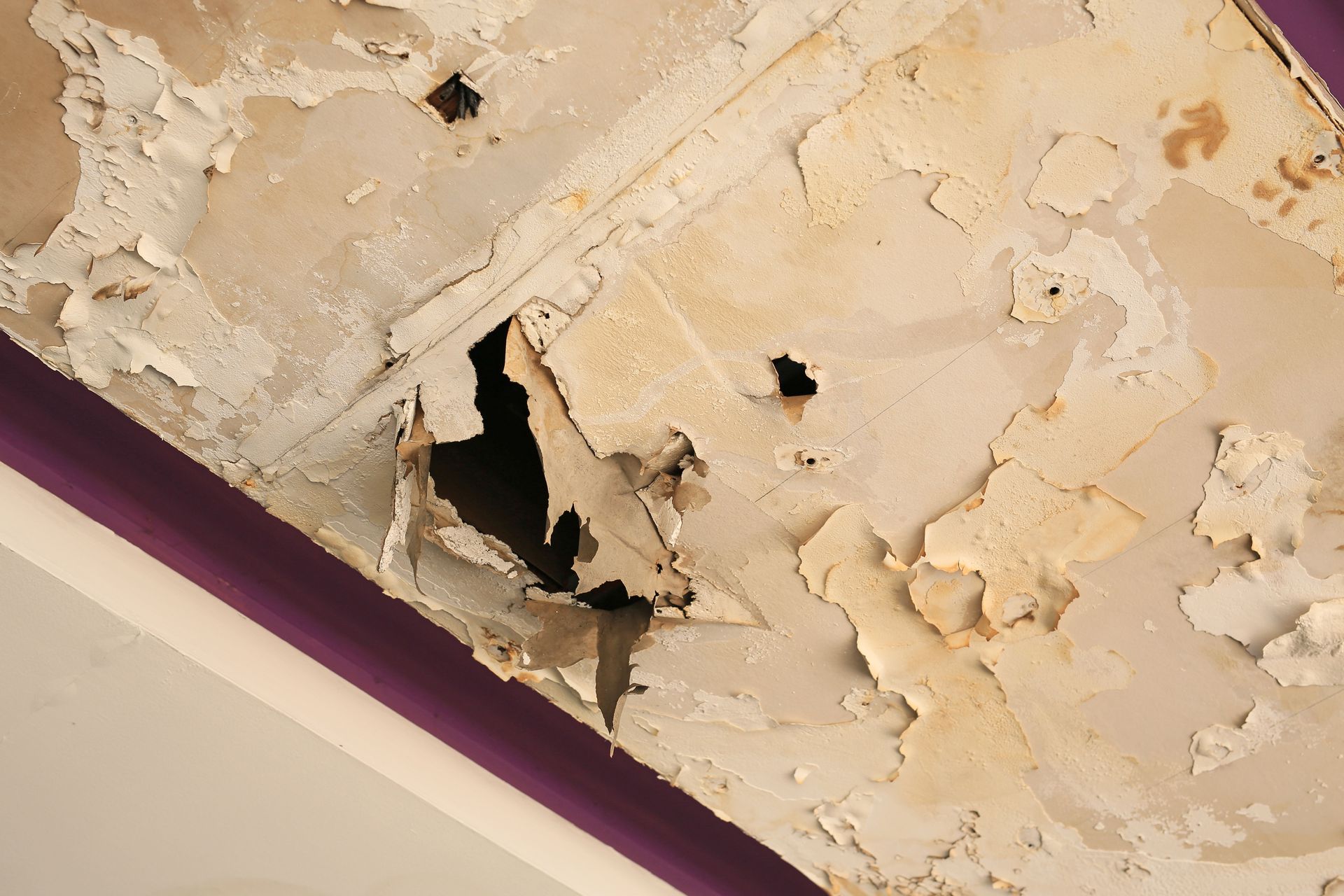
During the assessment, technicians look for signs of water intrusion, dampness, musty odors, and visible spores. They may use moisture meters or thermal imaging cameras to detect hidden moisture behind walls and under floors. In some cases, samples of mold may be taken and analyzed to understand the type and severity of the contamination. This evaluation helps create a detailed plan of action for remediation and ensures that the right techniques are used for your specific situation.
Professionals also assess the materials affected. Porous materials like carpeting, drywall, and insulation can harbor mold deep within their fibers or structure and often need to be removed rather than cleaned. Non-porous materials such as metal, glass, and certain plastics may be cleaned and disinfected effectively. The assessment guides these crucial decisions.
Mold Remediation Preparation
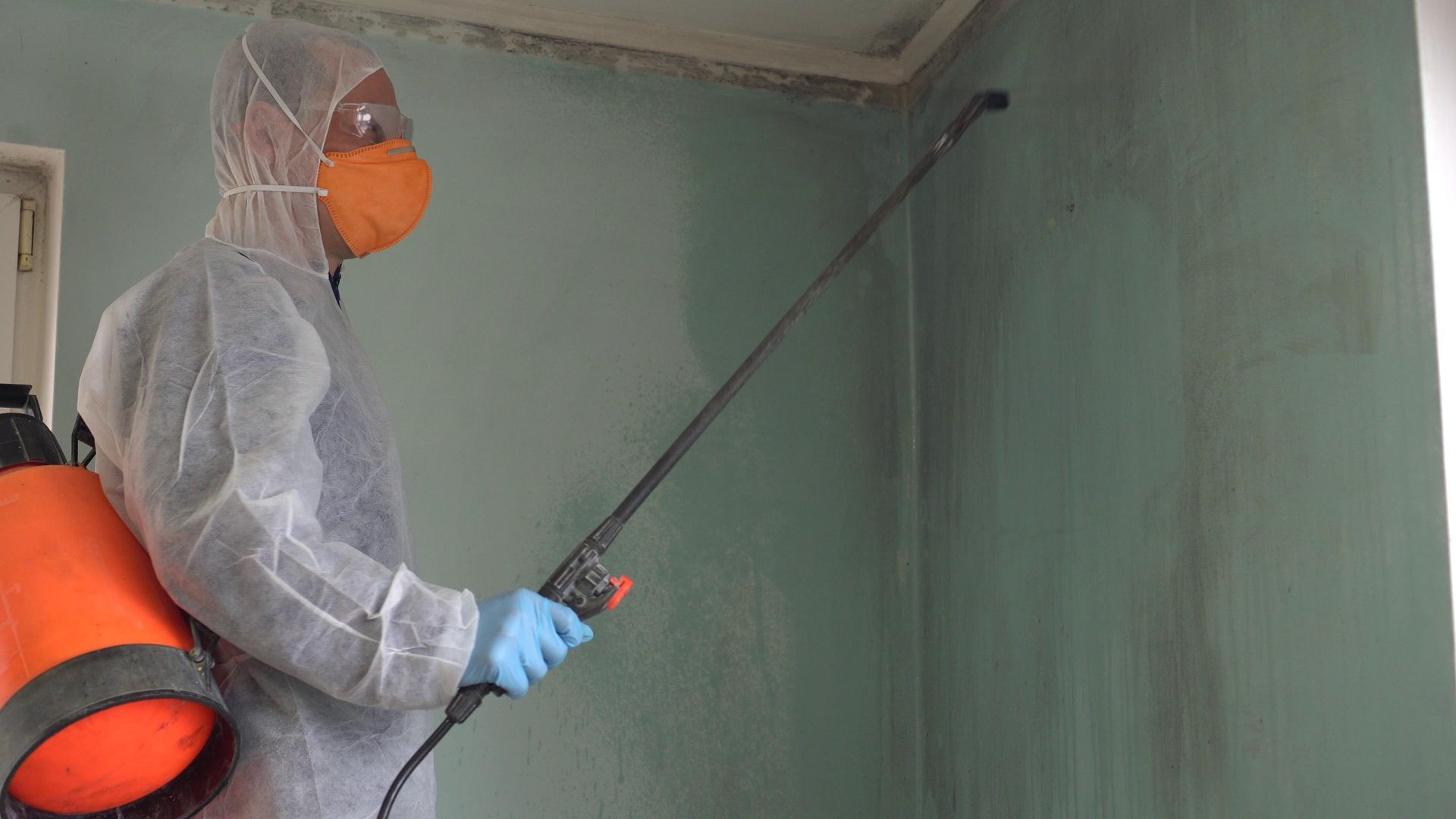
Before any remediation begins, proper preparation strengthens safety and containment. Mold spores can easily spread during cleanup if not contained, so a professional mold removal service carefully prepares the work area. Technicians may erect physical barriers using plastic sheeting to isolate contaminated zones from the rest of your property. Negative air pressure machines are often used to prevent spores from escaping the affected area while work is underway.
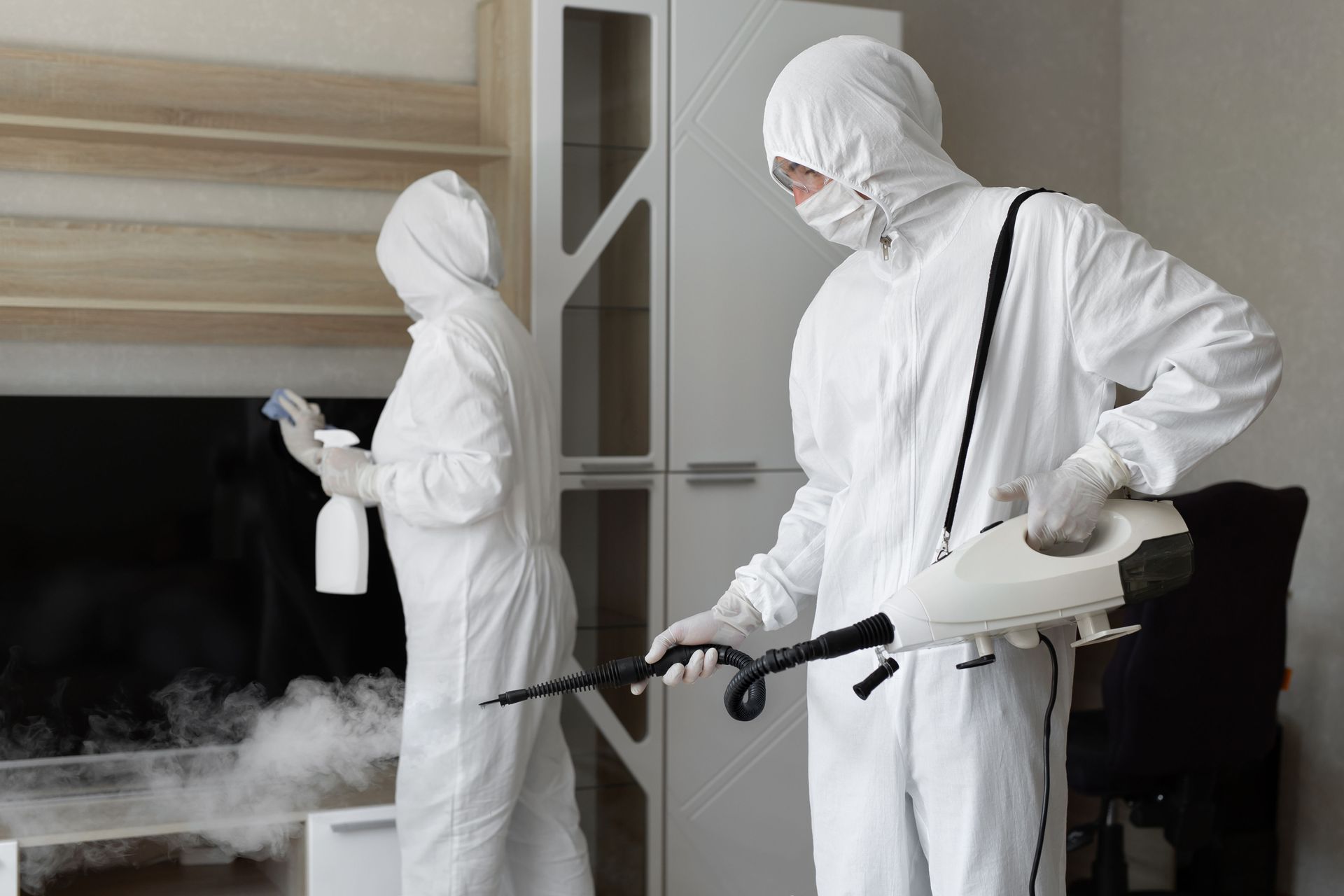
Protective equipment is another key aspect of preparation. Certified technicians wear respirators, gloves, and protective suits to safeguard their health. Your family or employees might be advised to stay out of the work area during this stage to minimize exposure.
Preparation also includes protecting non-contaminated areas. Flooring may be covered, furniture may be moved or wrapped, and pathways are established to reduce the spread of dust and debris. These steps ensure that the remediation process doesn't inadvertently make the problem worse.
Safe Mold Removal
The actual removal of mold is the heart of the remediation process. A professional mold removal service follows industry standards to clean and remove mold effectively. Technicians use specialized solutions to clean non-porous surfaces, scrubbing away mold colonies and treating the area to prevent regrowth. For porous materials that can't be thoroughly cleaned, removal and disposal is the safest course of action.
Mold-contaminated materials are carefully bagged and removed from the property. Technicians make sure that these materials are sealed and transported away from the site to prevent cross-contamination. This step is executed with precision and care, ensuring that mold spores aren't accidentally spread to other areas.
During the removal process, air scrubbers and HEPA filters are used to capture airborne spores. These machines help clean the air in the affected space, reducing the risk of spores circulating and settling in other areas. A professional mold removal service prioritizes the safety of both the technicians and occupants throughout the removal phase.
Find Moisture Sources
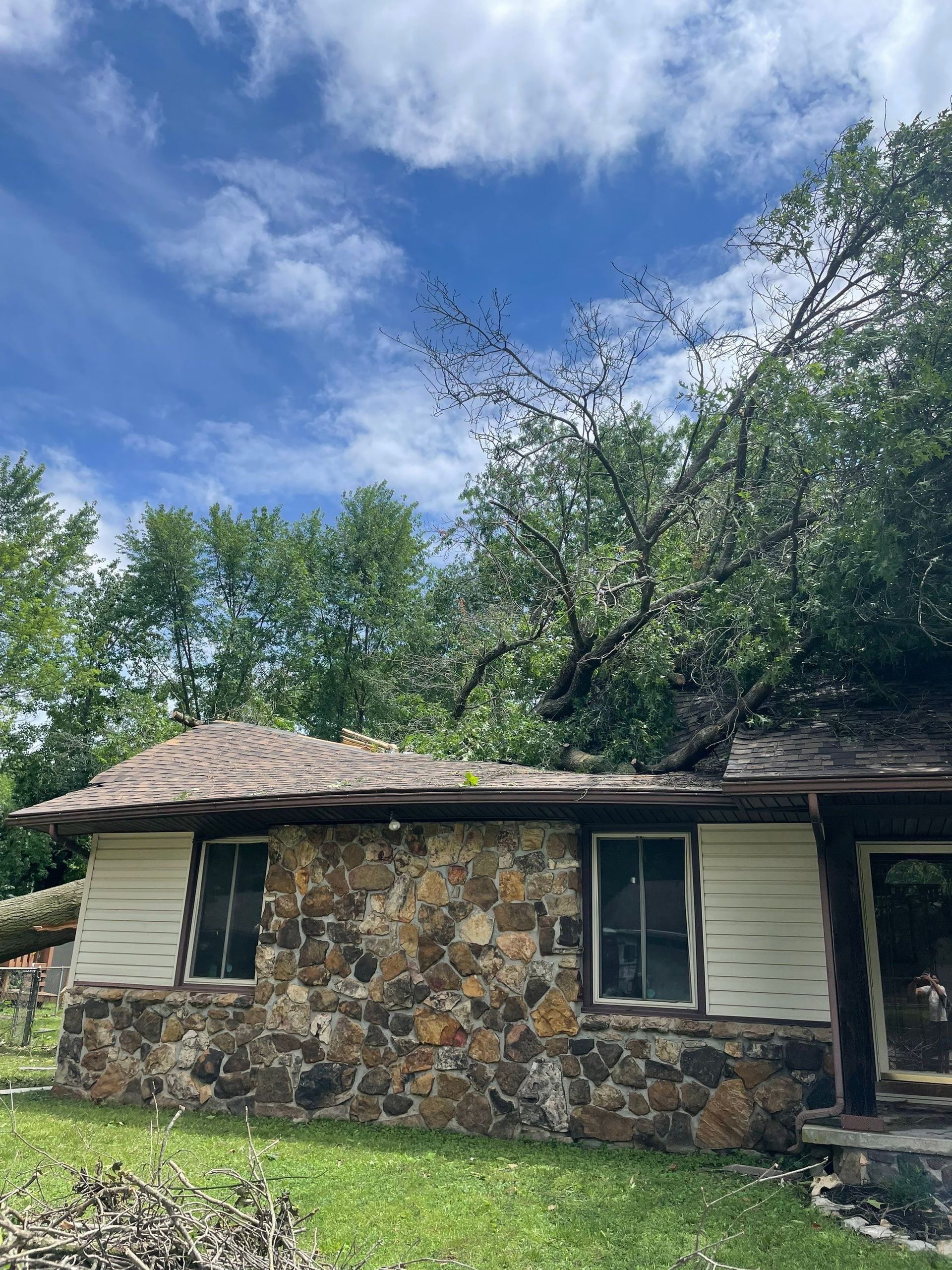
Mold will continue to grow if the source of moisture isn't resolved. A key part of the remediation process is identifying and fixing the underlying cause of mold growth. This might involve repairing leaky plumbing, improving ventilation, fixing roof or window leaks, or installing dehumidifiers to maintain proper humidity levels. According to Fixr, indoor moisture levels that rise beyond 45% create an environment where mold growth can begin to develop, which is why controlling moisture is essential to prevent mold from returning after remediation.
A professional mold removal service does more than just remove mold. It provides guidance on how to reduce conditions that promote mold growth. Technicians work with you to understand the moisture issues in your property and recommend solutions that fit your needs and budget. These proactive steps can save you time, stress, and money in the long run.
Post-Remediation Verification
Once mold removal and moisture remediation steps are complete, a professional mold removal service typically conducts a final inspection. Post-remediation verification ensures that the mold has been effectively removed and that moisture sources have been addressed. This step can include visual checks, moisture measurements, and sometimes air quality testing to confirm that spore levels are within acceptable limits.
Verification gives you peace of mind. It confirms that your space is safe and that the remediation was successful. Professionals document their findings and may provide a report outlining the work completed. This documentation can be useful for insurance purposes or future reference.
Future Mold Growth Prevention
After mold remediation, long-term prevention becomes a priority. Maintaining proper humidity levels is one of the most effective ways to prevent mold. Using dehumidifiers in basements and crawl spaces, ensuring good ventilation in bathrooms and kitchens, and fixing leaks promptly help maintain a dry environment where mold can't thrive.
Routine inspections of areas prone to moisture buildup are also valuable. Catching small problems early can prevent them from turning into larger mold issues that require extensive remediation. A trusted mold removal service often provides advice on routine checks and maintenance practices tailored to your property.
Educating yourself and others in your household or workplace about signs of mold and moisture problems is another key preventative strategy. Musty odors, discoloration on walls, or damp spots are early indicators that shouldn't be ignored. Prompt action prevents mold from gaining a foothold.
If you suspect mold in your home or business, prompt action is essential. Visible mold growth, persistent musty odors, health symptoms that improve when away from the property, or signs of moisture problems are all indicators that you should contact a professional mold removal service. Early intervention prevents mold from spreading and becoming more costly to remediate.
Mold issues aren't always obvious. Hidden mold behind walls or under flooring can go unnoticed until significant damage has occurred. Professionals have the tools and expertise to uncover these hidden problems and address them before they escalate. Calling a trusted service as soon as you notice signs of mold pays off in peace of mind and long-term protection of your property.
Choosing a mold removal service you can trust is important. You want a team that listens to your concerns, provides clear explanations, and delivers reliable results. A professional service takes the stress out of mold remediation and guides you through each step of the process with expertise and care.
Mold is a serious concern, but it doesn't have to disrupt your life. With the right knowledge and professional support, you can eliminate mold safely and effectively. When you need a dependable mold removal service, the team at Clean Green Restoration is ready to help restore your space and ensure a healthier environment for you and your loved ones. Contact us today for a comprehensive assessment and expert remediation tailored to your property.