December 17, 2025
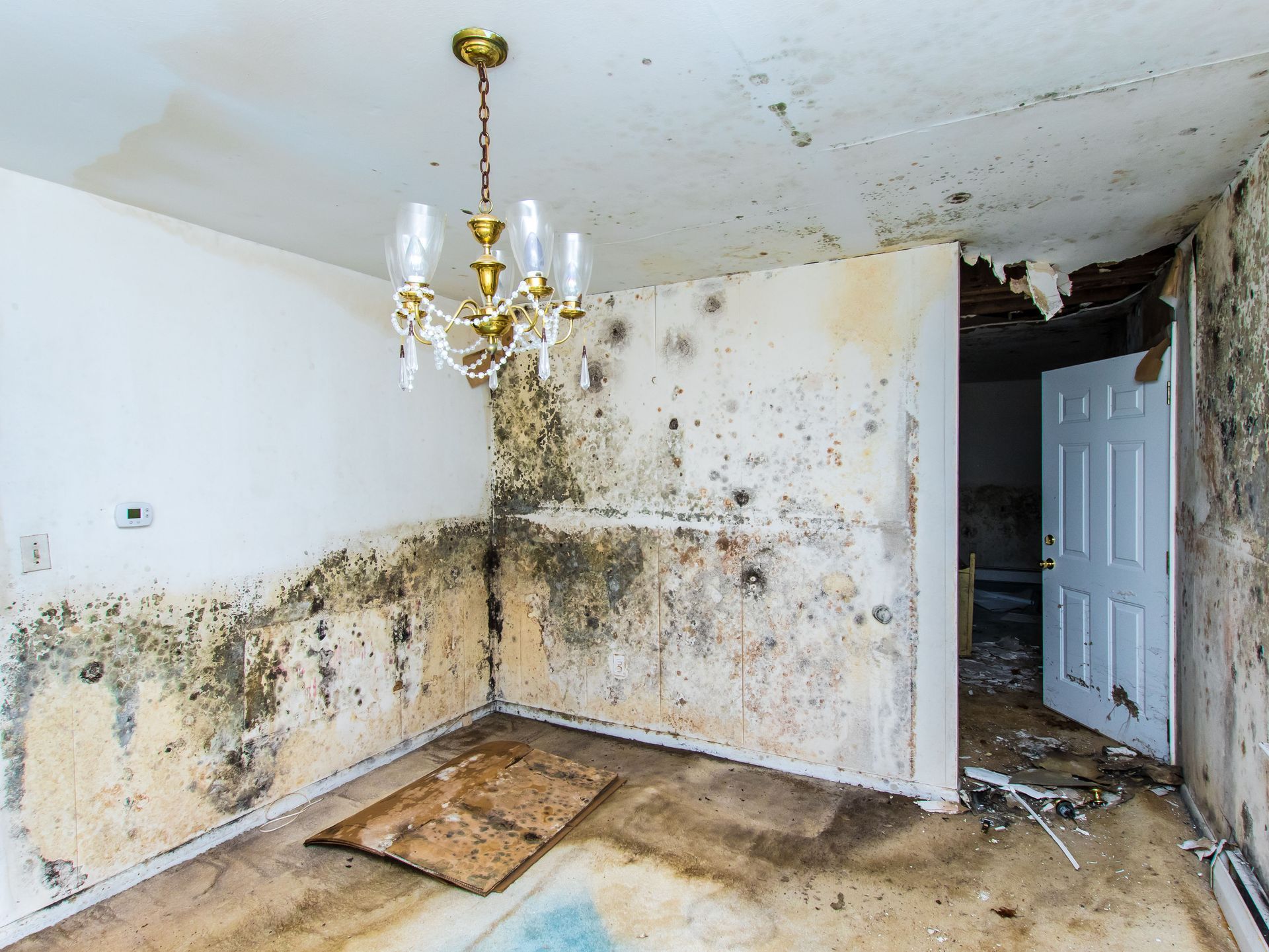
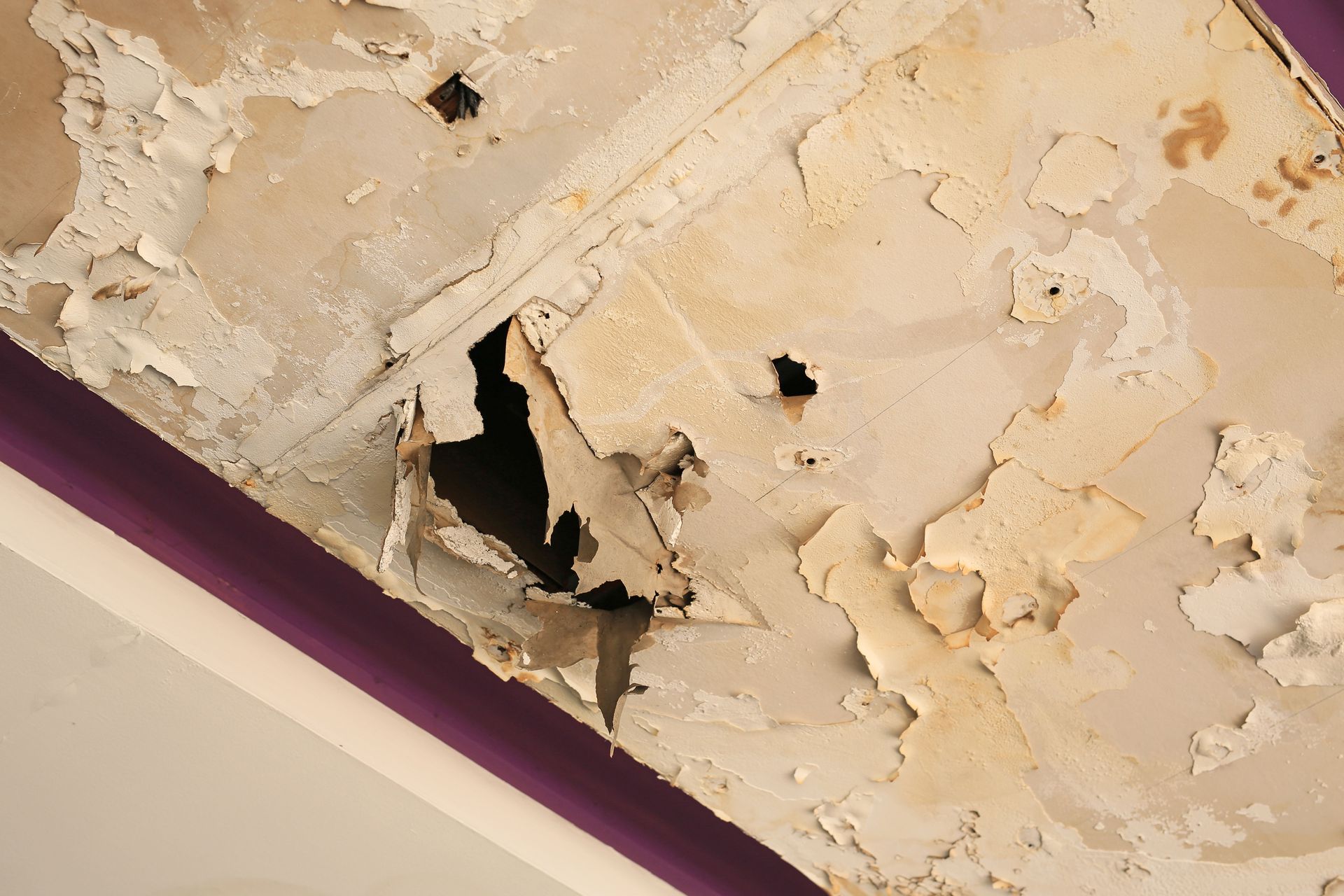
Water intrusion can affect every part of a property, from structural framing to flooring and personal belongings, and even small amounts of moisture can lead to odors, weakened materials, and mold growth. Many homeowners do not realize how quickly mold can develop after water exposure — according to Home Gnome, mold can begin to grow within 24 to 48 hours. This rapid growth highlights the importance of acting quickly to prevent further damage, reduce repair costs, and maintain a safe living environment. Water damage can also compromise electrical systems, furniture, and personal items, making timely intervention essential. Professional water damage restorations not only remove water but also dry, sanitize, and repair affected areas to restore safety and structural integrity. With the right expertise, technicians can prevent hidden problems, such as lingering moisture or future mold outbreaks, that may otherwise go unnoticed. The following sections explore the step-by-step processes experts use to thoroughly restore properties and protect them against future water-related issues.
Identify the Source of Water Intrusion
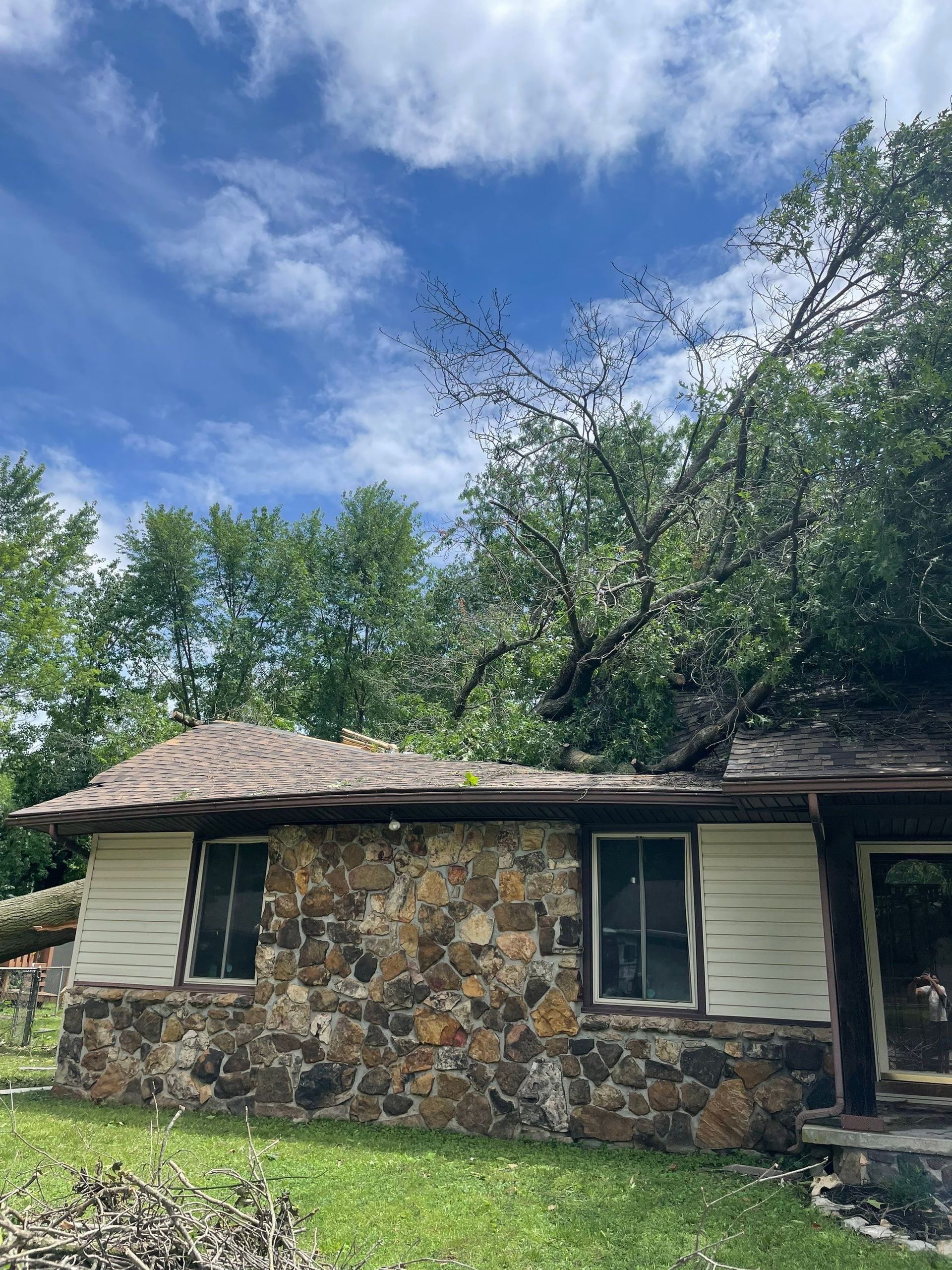
The first step in all professional water damage restorations involves identifying where the water came from. The source may be a damaged plumbing fixture, a leaking roof, a malfunctioning appliance, or storm-related conditions. Understanding the origin helps prevent the issue from repeating and ensures the right restoration strategy is implemented. Experts inspect visible areas and use advanced techniques to evaluate hidden spaces behind walls or under flooring. This step sets the foundation for effective restoration because confidently locating the source allows the rest of the process to proceed without guesswork.
Assess How Far Moisture Has Spread
After discovering the source, professionals conduct a detailed assessment to determine how far the water has migrated. Moisture moves quickly and can accumulate in layers that homeowners may not notice. Experts use tools like infrared cameras and moisture meters to detect water in subflooring, wall cavities, insulation, and ceilings. This thorough evaluation ensures no hidden problem areas are overlooked. A complete picture of the damage guides the scope of the restoration plan and helps ensure the property receives the correct level of attention.
Develop a Customized Restoration Plan
Once the extent of the issue is understood, a restoration plan is created. This plan outlines the steps needed to remove water, dry affected areas, clean damaged spaces, and repair structural components. Every situation differs, so the plan is tailored to the specific property. Timelines, necessary equipment, and projected results are outlined so property owners know what to expect. A clear process helps ensure water damage restorations are efficient, safe, and thorough.
Remove Standing Water With Advanced Equipment
Removing standing water is one of the most urgent steps during water damage restorations. Professionals use industrial-strength pumps, vacuums, and extraction wands to remove water quickly. These tools operate at far higher capacities than standard equipment, allowing for rapid movement of large volumes of water. Extracting water early prevents additional structural saturation and reduces the chance of mold development. This phase also stabilizes the environment so drying can begin without unnecessary delays.
Address Hidden Moisture in Hard-to-Reach Areas
Hidden moisture poses one of the biggest risks after a water event. Water can settle behind drywall, under flooring, inside HVAC systems, and around structural beams. If ignored, this moisture can damage materials from the inside out. Professionals apply specialized techniques to locate and remove trapped water, which may include accessing interior panels or using targeted airflow. This level of detail ensures the restoration process eliminates every source of lingering moisture.
Dry the Structure With Industrial-Grade Systems
Drying is essential in all water damage restorations because moisture left behind can lead to mold growth, weakened materials, and odor problems. Industrial-grade dehumidifiers and air movers create controlled airflow that speeds evaporation. Equipment placement is intentional to ensure even and effective drying across floors, walls, ceilings, and contents. Experts monitor humidity and moisture readings throughout the process, adjusting equipment as needed. Maintaining the right balance prevents surfaces from drying too quickly, which could cause warping or cracking.
Clean and Sanitize Affected Areas Thoroughly
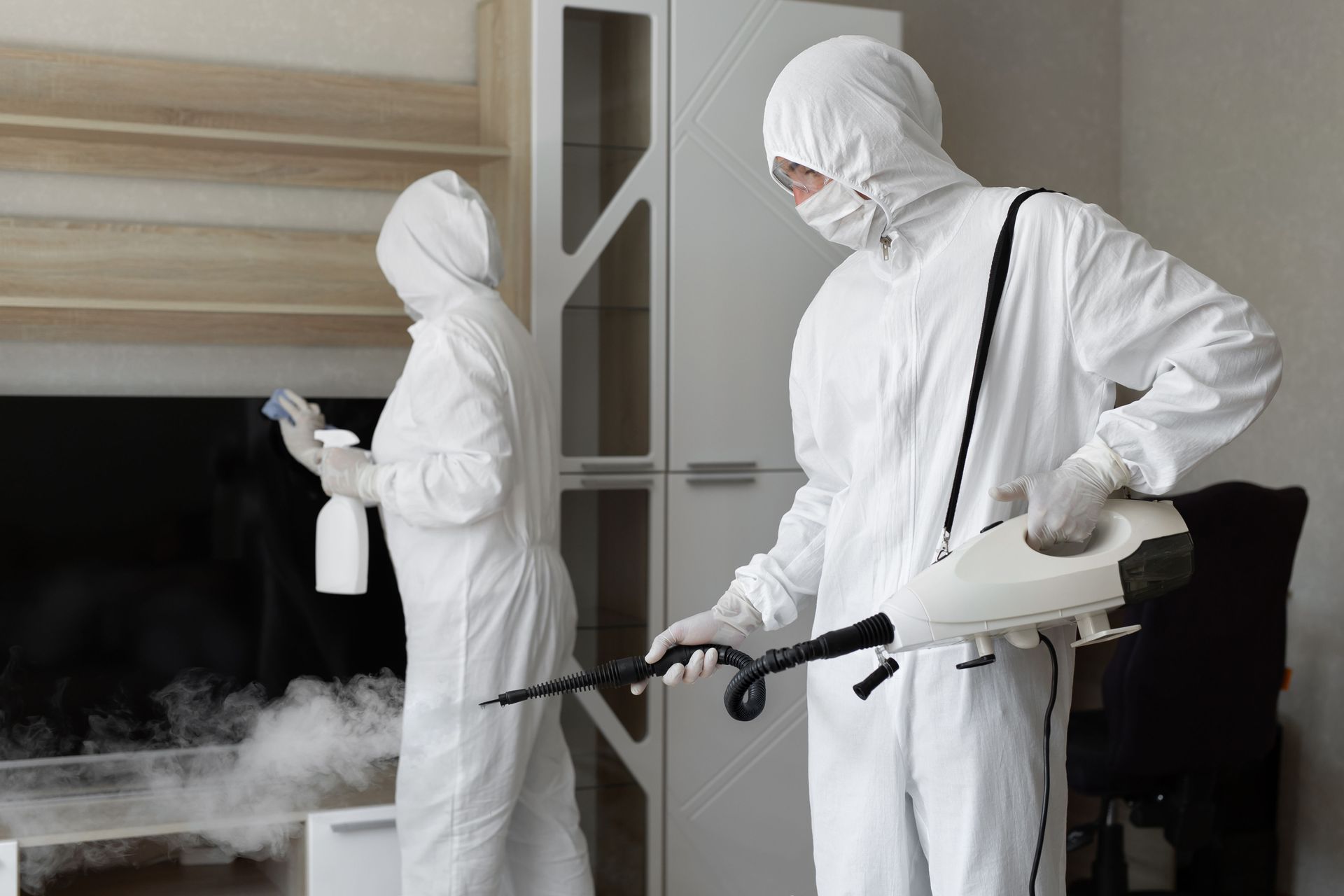
Even clean water can leave behind contaminants once it interacts with building materials. That is why sanitation is a vital part of water damage restoration. Professionals use approved cleaning agents designed to eliminate bacteria, debris, and odors. All affected areas are scrubbed, treated, and disinfected to create a safe environment. When needed, items like furniture or belongings may be evaluated to determine whether they can be cleaned and returned to use. This step helps homeowners preserve possessions that might otherwise be lost.
Perform Mold Remediation When Necessary
If mold is present, prompt remediation is crucial. Professionals isolate affected areas to prevent spores from spreading. HEPA-filtered air scrubbers and containment procedures help stabilize the environment while surfaces are treated with antimicrobial solutions. Removing mold and preventing regrowth is essential for protecting the health of occupants and safeguarding the structure. Remediation integrates seamlessly into water damage restorations to ensure the property is fully safe before repairs continue.
Repair Structural Damage and Restore the Property
After cleaning and drying, the final stage involves restoring the property to its pre-damage condition. This may include repairing drywall, replacing flooring, addressing damaged trim, or repainting surfaces. Professionals follow established building standards to ensure repairs are durable and visually cohesive. Restoration also includes verifying that plumbing, electrical, and mechanical components affected by water are safe and functional. Completing these repairs finalizes the water damage restoration process and prepares the property for normal use again.
Add Preventive Steps to Reduce Future Water Damage
Once the immediate work is complete, professionals may offer recommendations to help property owners reduce future water-related risks. Suggestions can include improving drainage around the home, sealing vulnerable areas, inspecting roofing, or installing moisture control tools. Clean Green Restoration provides services such as water extraction, structural drying, mold remediation, and environmental cleaning, all of which support long-term property protection. Preventive steps help owners maintain peace of mind and avoid repeating the same issues in the future.
Strengthen Property Protection With Ongoing Maintenance
Water-related risks can often be minimized through consistent upkeep. Property owners benefit from inspecting plumbing components, checking gutters, cleaning drainage areas, and monitoring interior humidity. Routine attention helps identify small issues before they escalate into major events requiring full water damage restoration. Maintenance plays an important role in preserving the value, safety, and efficiency of a home or business. When owners stay proactive, the risk of unexpected damage is far lower.
Recognize Why Professional Help Matters
Handling water damage requires advanced equipment, training, and the ability to evaluate both visible and hidden issues. Professional water damage restorations not only address the immediate crisis but also ensure long-term stability. From extraction to drying to structural repair, each step is part of a coordinated plan that restores safety and comfort. Working with skilled technicians provides the reassurance that no detail was overlooked.
Water damage can impact a property faster than most owners realize, but professional water damage restorations provide the structure and expertise needed to return spaces to safe conditions. The full process — from removing water to repairing affected areas — protects both the structure and the health of those who use it. When property owners need reliable support, we at Clean Green Restoration are ready to help restore comfort and stability. For complete restoration services, our team at Clean Green Restoration is available to respond quickly and guide you through every step of the process.