Clean Green Restoration
October 7, 2026
Filing a water damage insurance claim in Missouri doesn't have to be confusing. Here's a step-by-step guide.

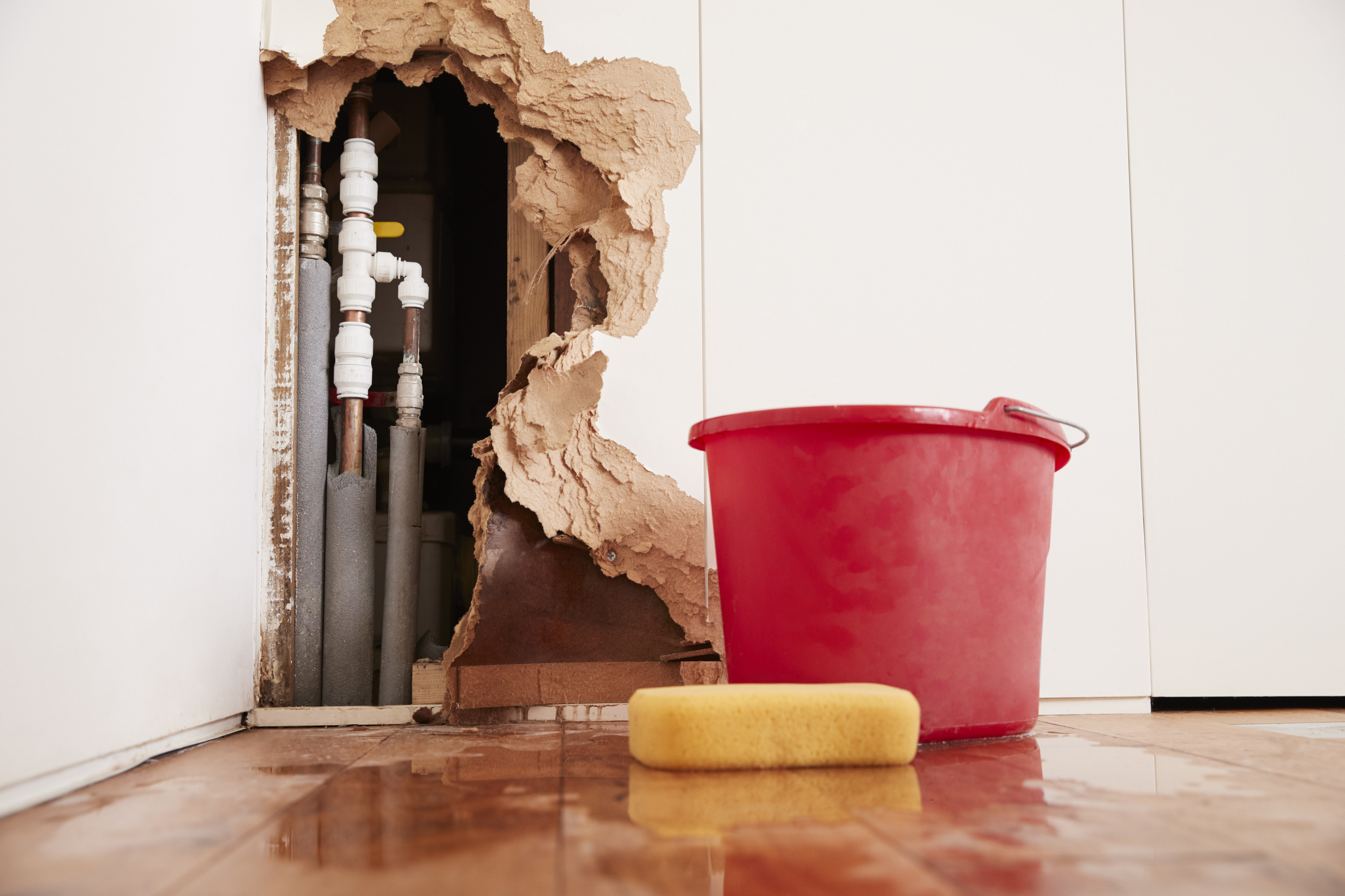
Water damage can turn an ordinary day into an emergency in a matter of minutes. Whether it’s a burst pipe, a roof leak, a backed-up drain, or any number of other issues letting water into your home, damage can occur rapidly, often before you have time to react.
Once the immediate problem is under control, another challenge begins: figuring out the insurance claim.
For Missouri homeowners, understanding what to do during the first few hours after water damage can make the restoration process much easier. It can also help the claims process go more smoothly and ensure that your insurance company has all the information they need to evaluate the loss.
At Clean Green Restoration, we’re committed to helping Southwest Missouri homeowners deal with water losses throughout every step of the restoration process, including helping guide them through the insurance claims process. Here are the steps we recommend taking after discovering water damage in your home.
As long as it is safe to do so, preventing additional damage should be your first priority.
If a plumbing line or appliance is actively leaking, start by shutting off the water supply. For a major plumbing failure, this may require shutting off the home's main water supply.
Just remember that safety is more important than property and belongings, and water damage can sometimes create several safety risks. Be especially cautious around electrical outlets, appliances, standing water, and damaged ceilings. If water has reached electrical equipment or you are unsure whether an area is safe to enter, it’s always best to err on the side of caution.
Homeowners insurance policies generally require policyholders to take reasonable steps to protect property from further damage after a covered loss, but that doesn’t mean you have to begin major repairs immediately. Emergency measures such as stopping the source of water, moving undamaged belongings away from the affected area, and beginning professional water extraction can help prevent the situation from getting worse.
Before you start moving damaged items or making repairs, be sure to document everything with photos, videos, and notes.
Start by documenting the source of the water, if you are able to identify it. Then photograph each affected room from several angles. Take closer photos of damaged flooring, drywall, baseboards, cabinets, furniture, appliances, and personal belongings. A short video walkthrough can also be extremely helpful because it shows how the affected areas relate to one another.
You’ll want to make a list of any possessions that were damaged, including descriptions, approximate purchase dates, and estimated values when possible. Documents such as receipts, online order confirmations, and credit card statements can also help establish ownership or value.
It’s best to start the documentation process as soon as possible, but not while water is still spreading. Safety and stopping additional damage come first. Once the situation is stable is when you should begin documenting everything as thoroughly as you reasonably can.
After documenting the damage, the next step is to contact your insurance company or agent.
Be prepared to provide your policy information, the address where the loss occurred, your contact information, the approximate date and time of the loss, and a basic description of what happened.
While it’s good to provide as much information as you can, don’t feel as if you need to explain everything. Just stick to the facts you know rather than trying to diagnose the entire cause of the loss yourself.
Once you report the claim, your insurer will likely assign you a claim number and an adjuster who will be responsible for investigating the damage. Be sure to keep the claim number somewhere where it’s easy to access since your restoration contractor, adjuster, and other professionals may need it throughout the process.
It’s also smart to keep a simple written record of all your communications with your insurer. Write down who you spoke with, when you spoke, and any instructions you received.
One of the most confusing parts about filing a water damage claim is that coverage often depends on how the water entered your home.
For one thing, insurers treat water damage and flood damage differently, and most standard homeowners insurance policies do not cover flooding caused by rising surface water. For this, you will generally need separate flood coverage.
Sewer backups, drain backups, and sump pump failures are likewise treated differently from other sources of water damage. Some homeowners policies exclude these types of losses unless you have purchased additional coverage or an endorsement.
Beyond this, every policy contains its own definitions, exclusions, limits, and endorsements. For example, a sudden plumbing failure may be treated differently from deterioration that developed gradually over months or years.
It’s best to know what your policy covers before a loss takes place, but if that ship has sailed, it’s still important to review it after the loss as well so that you can start getting an idea what will and won’t be covered.
Even after you’ve shut off the water supply or otherwise stopped more water from entering your home, water damage can often still keep piling up. That’s why it’s critical to begin the water mitigation process as quickly as possible.
Professional water mitigation can include a variety of steps, depending on what the situation calls for. Extracting the water, removing damaged materials, addressing moisture in the walls and flooring, and placing commercial air movers and dehumidifiers are all common parts of the mitigation process.
The faster you begin mitigation, the more the damage can be contained. Once the process is underway, be sure to keep any paperwork provided by your restoration contractor. This documentation might be necessary for your insurance claim.
Restoring your home is only part of a good restoration company’s job. Communicating with your insurance adjuster and helping you navigate the restoration side of the claims process is just as important.
This is an area where experience matters. Before founding Clean Green Restoration, Miles McNeill worked as a claims adjuster for American Family Insurance. That experience gives our team firsthand knowledge of how property claims are documented and evaluated.
At Clean Green Restoration, we help Southwest Missouri homeowners who are dealing with water damage document the damage, perform the necessary mitigation work, prepare restoration information, and communicate with the insurance professionals involved in the claim. While we can’t control what your insurance covers or pays, we can help ensure that the claims process is handled correctly.
When water enters your home, quick action can make a major difference.
Once you’ve stopped the source of the water, documented what happened, and notified your insurance company, Clean Green Restoration should be your next call.
Our team understands both sides of the process, from emergency water mitigation to the documentation insurance adjusters need when evaluating a claim.
If you have water damage and need help, give us a call today at (417) 300-5062.
Written by Tarah McNeill, Co-Owner, Clean Green Restoration
Have a question or need emergency restoration help? Call us 24/7 at (417) 300-5062 or visit cgrmo.com.