January 16, 2026
Mold is a common household issue that can pose serious risks to both health and property. Its presence often goes unnoticed until visible damage or health symptoms appear, at which point repairs can become expensive and disruptive. Early detection is essential to limit mold’s impact and prevent long-term consequences.
Many homeowners overlook the initial warning signs, allowing mold to spread behind walls, under flooring, or through HVAC systems. This article explains what mold is, how to recognize early indicators, which areas of the home are most vulnerable, and what steps you can take to prevent or address mold infestations effectively.
Understanding Mold: What Every Homeowner Should Know
Mold is a type of fungus that thrives in warm, damp environments. It reproduces by releasing microscopic spores into the air, which settle on surfaces and begin to grow when moisture is present. While mold plays a natural role outdoors, indoor mold growth can be harmful and difficult to control once established.
Several types of mold are commonly found inside homes. Black mold (Stachybotrys chartarum) is often associated with prolonged moisture exposure and can raise health concerns. Other types, such as Aspergillus and Cladosporium, are also widespread and frequently appear in damp areas or HVAC systems. Each type presents different risks and may require specific removal methods.
Exposure to mold can lead to a variety of health issues, especially for individuals with asthma, allergies, or weakened immune systems. Common symptoms include coughing, nasal congestion, throat irritation, itchy eyes, and skin rashes. Prolonged exposure may worsen respiratory conditions or trigger allergic reactions, making early detection especially important.
Mold can also damage household structures over time. It feeds on organic materials like drywall, wood, insulation, and flooring, causing deterioration and weakening building components. If left untreated, mold can reduce property value and result in costly repairs.
Effective mold remediation involves identifying moisture sources, removing contaminated materials, and thoroughly cleaning affected areas. Without proper remediation, mold often returns. According to Home Gnome, mold can begin to grow within 24 to 48 hours after water damage, so it's imperative to get prompt support as soon as you notice an issue.
Early Signs of Mold Development
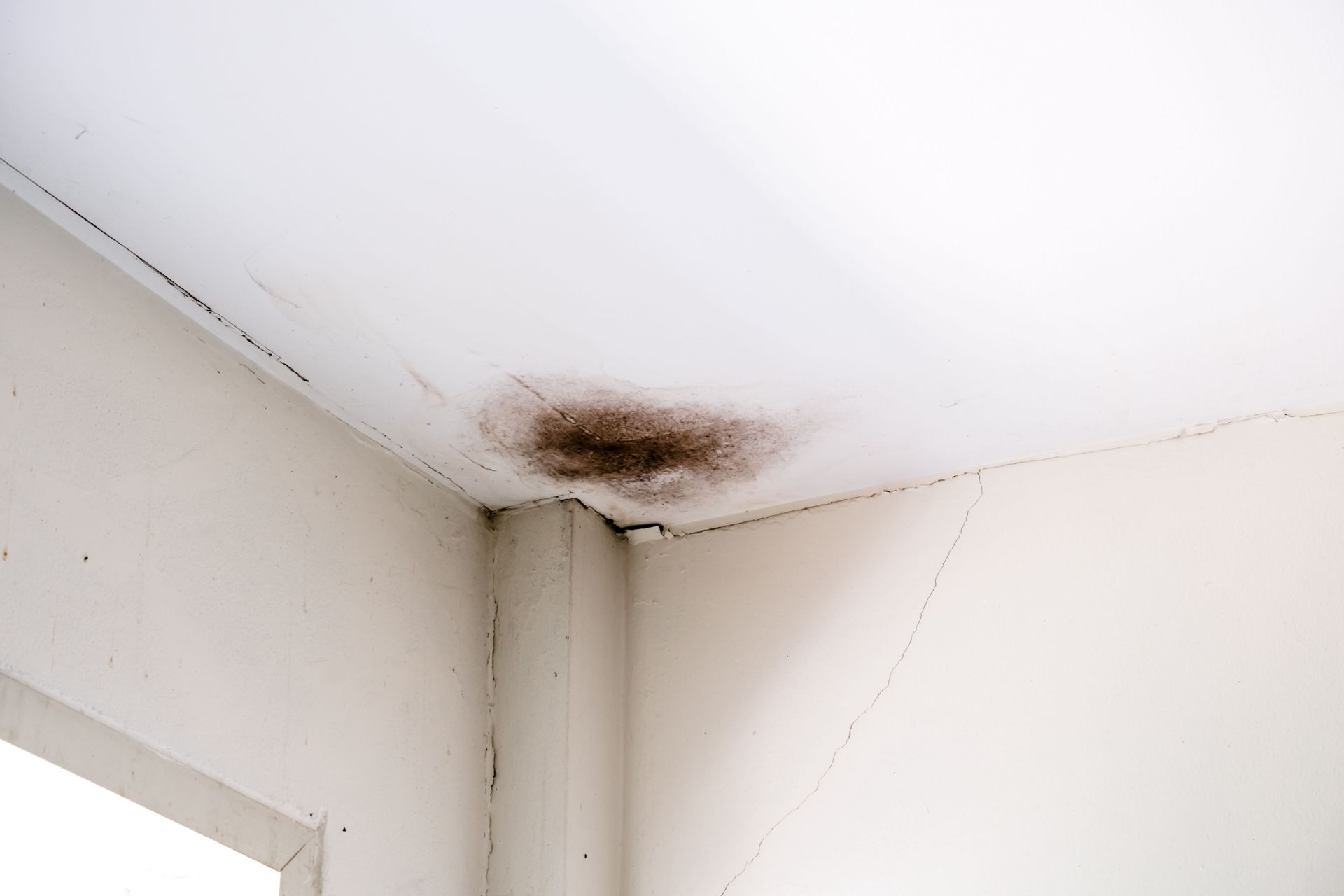
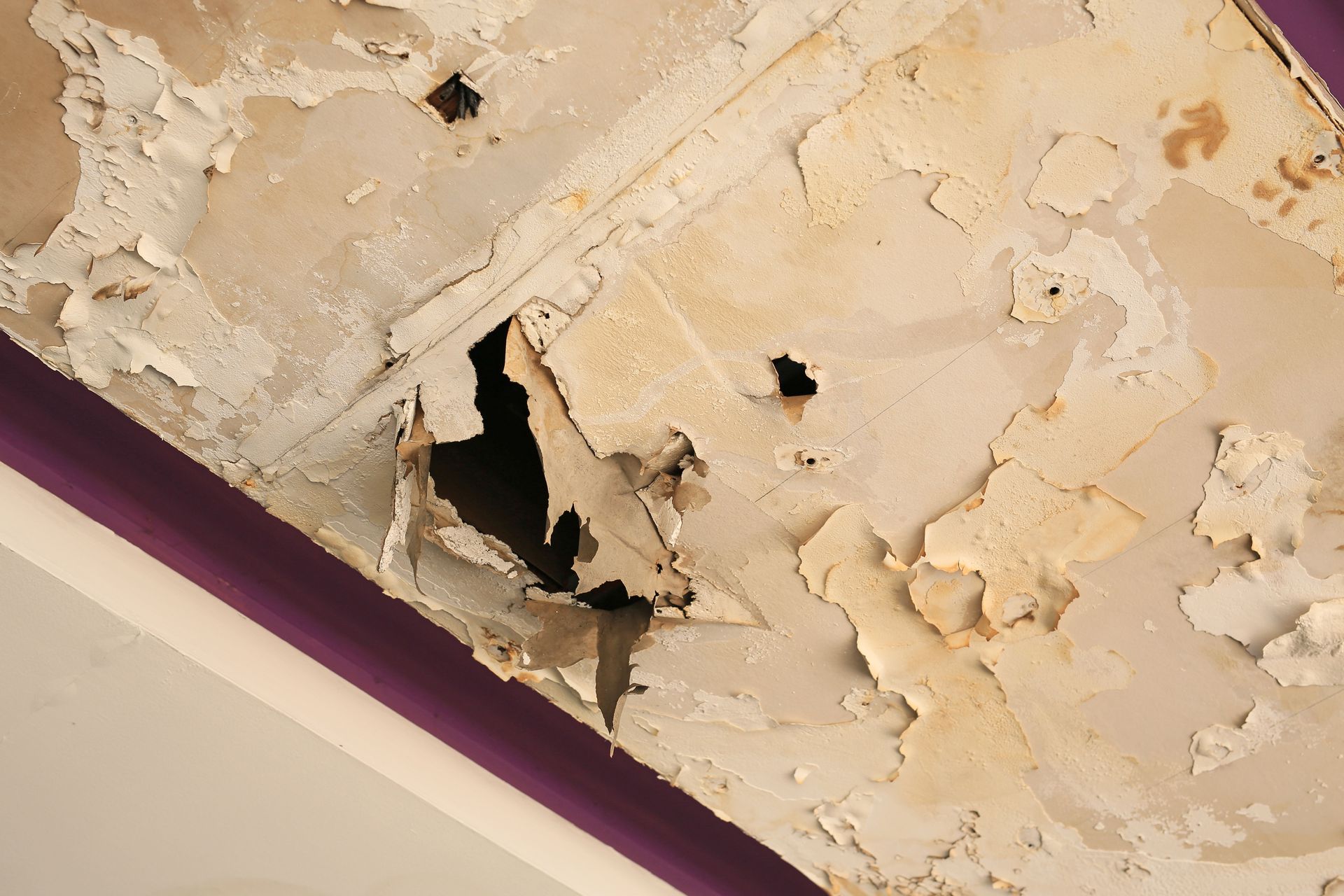
One of the earliest indicators of mold is visible discoloration on walls, ceilings, floors, or around windows. Mold may appear black, green, gray, or white, depending on the species. Bubbling paint, peeling wallpaper, and water stains can also signal hidden mold growth behind surfaces.
A persistent musty or damp odor is another common warning sign. This smell often appears in poorly ventilated areas and may indicate mold growth even when none is visible. Ignoring these odors can allow mold to spread unchecked.
Unexplained health symptoms may also point to mold exposure. Frequent sneezing, coughing, eye irritation, headaches, or worsening allergy symptoms that improve when leaving the home can suggest an indoor air quality issue related to mold.
Environmental changes within the home can provide additional clues. Excess condensation on windows, damp walls, soft or warped flooring, and rust forming around pipes often indicate moisture problems that support mold growth. Indoor humidity levels above 60% create ideal conditions for mold, making humidity monitoring an important preventive step.
High-Risk Areas for Mold Growth
Bathrooms and kitchens are especially vulnerable to mold due to frequent moisture from showers, cooking, and plumbing. Steam buildup, poor ventilation, and leaky fixtures create conditions where mold can thrive if not properly managed.
Basements and crawl spaces are also high-risk areas. These spaces are often dark, damp, and poorly ventilated, allowing moisture to linger. Groundwater intrusion or drainage issues can make the problem worse, leading to mold growth that affects overall indoor air quality.
Attics are frequently overlooked but can be significant mold hotspots. Roof leaks, condensation, or inadequate ventilation can trap moisture, creating ideal conditions for mold growth. Regular inspections and proper airflow help reduce this risk.
HVAC systems can harbor mold when moisture accumulates in ducts, drip pans, or filters. Once present, mold spores can circulate throughout the home. Routine maintenance and filter replacement are essential to prevent mold-related air quality issues.
Mold can also grow inside walls and insulation, often following leaks or flooding. Because it is hidden, this type of mold can cause extensive structural damage before being detected. Prompt repairs and moisture control are critical to preventing concealed infestations.
Preventative Measures to Reduce Mold Risk
Controlling moisture is the most effective way to prevent mold growth. Promptly repairing leaks, drying wet areas, and using dehumidifiers in damp spaces helps limit mold-friendly conditions. Maintaining indoor humidity below 50–60% significantly reduces risk.
Proper ventilation plays a major role in moisture control. Exhaust fans in bathrooms and kitchens, open windows when weather permits, and adequate airflow in basements and attics all help reduce humidity buildup.
Regular cleaning and home maintenance also support mold prevention. Cleaning moisture-prone surfaces, inspecting plumbing and roofing, and replacing HVAC filters help identify and address issues early.
Professional inspections can uncover hidden mold and moisture problems that homeowners may miss. Specialists can assess vulnerabilities and recommend targeted prevention strategies, particularly during wet or humid seasons.
Using mold-resistant materials, such as specialized drywall, paints, sealants, and flooring, provides added protection in high-risk areas. These products limit moisture absorption and inhibit mold growth over time.
Regular Mold Detection and Mitigation
Homeowners can perform routine visual inspections in areas prone to moisture, such as bathrooms, kitchens, basements, and attics. Early detection of stains, discoloration, or water damage allows for quicker intervention. At-home mold testing kits can help identify the presence and type of mold. While useful for preliminary assessment, they do not replace professional testing in larger or more complex cases.
Minor surface mold can sometimes be cleaned using household solutions like vinegar, baking soda, or diluted bleach. Protective gloves and masks should always be worn, and these methods should only be used for small, localized areas.
Professional help is necessary when mold covers large areas, returns repeatedly, or involves suspected toxic species. Delaying expert intervention can increase health risks and remediation costs, particularly during humid months.
Professional Mold Inspection and Remediation
Professional services are essential when mold problems exceed DIY capabilities. Widespread growth, hidden infestations, or ongoing moisture issues require specialized tools and expertise to resolve safely and effectively. The remediation process typically includes inspection, containment, moisture control, removal of contaminated materials, cleaning, drying, and restoration. Addressing the underlying moisture source is critical to preventing recurrence.
While professional remediation involves upfront costs, it often prevents far more expensive structural repairs later. Emergency mold services can cost significantly more during peak humidity periods, making early action more cost-effective.
Choosing qualified mold specialists is key. Look for certified professionals with strong reviews, transparent pricing, and clear remediation plans. Reputable companies often provide guarantees for their work.
After remediation, ongoing maintenance is essential to keep mold from returning. Monitoring humidity, performing periodic inspections, and following professional recommendations help maintain a healthy, mold-free home.
Recognizing the early signs of mold and addressing moisture issues promptly are critical for protecting both your home and your health. Through proactive prevention, regular maintenance, and informed decision-making, homeowners can reduce mold risks and maintain a safer living environment. Are you looking for an expert source of
mold remediation? Contact our team at Clean Green Restoration today to learn more about our services.