Clean Green Restoration
November 16, 2026
Protect your home before the first freeze with this frozen pipe checklist, plus what to do if a pipe freezes or bursts.
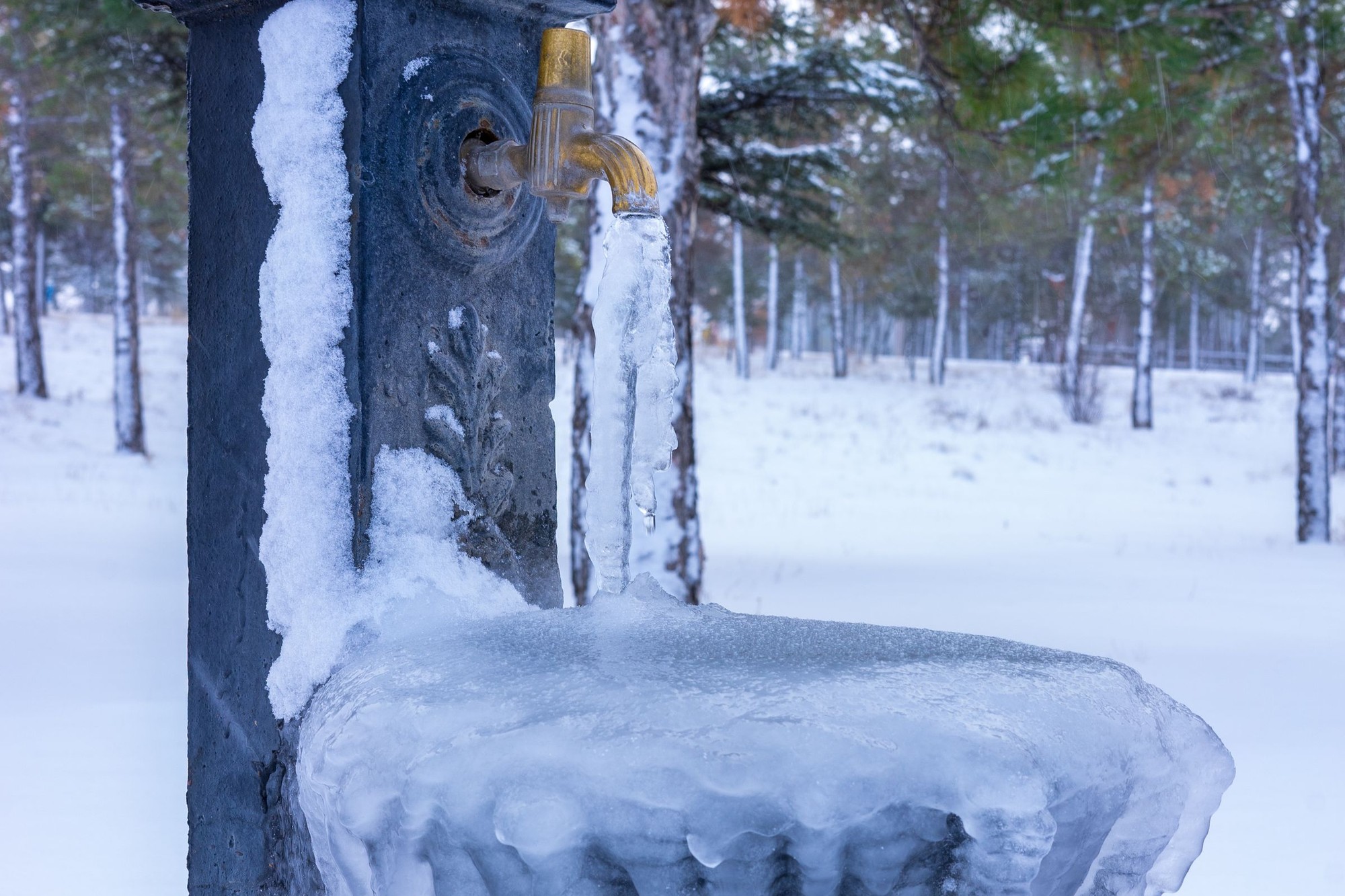
If you've lived in the Ozarks for a winter or two, you know how fast the temperature can drop. One day it's 60 degrees. The next morning, your car is frosted over and the weather app says single digits.
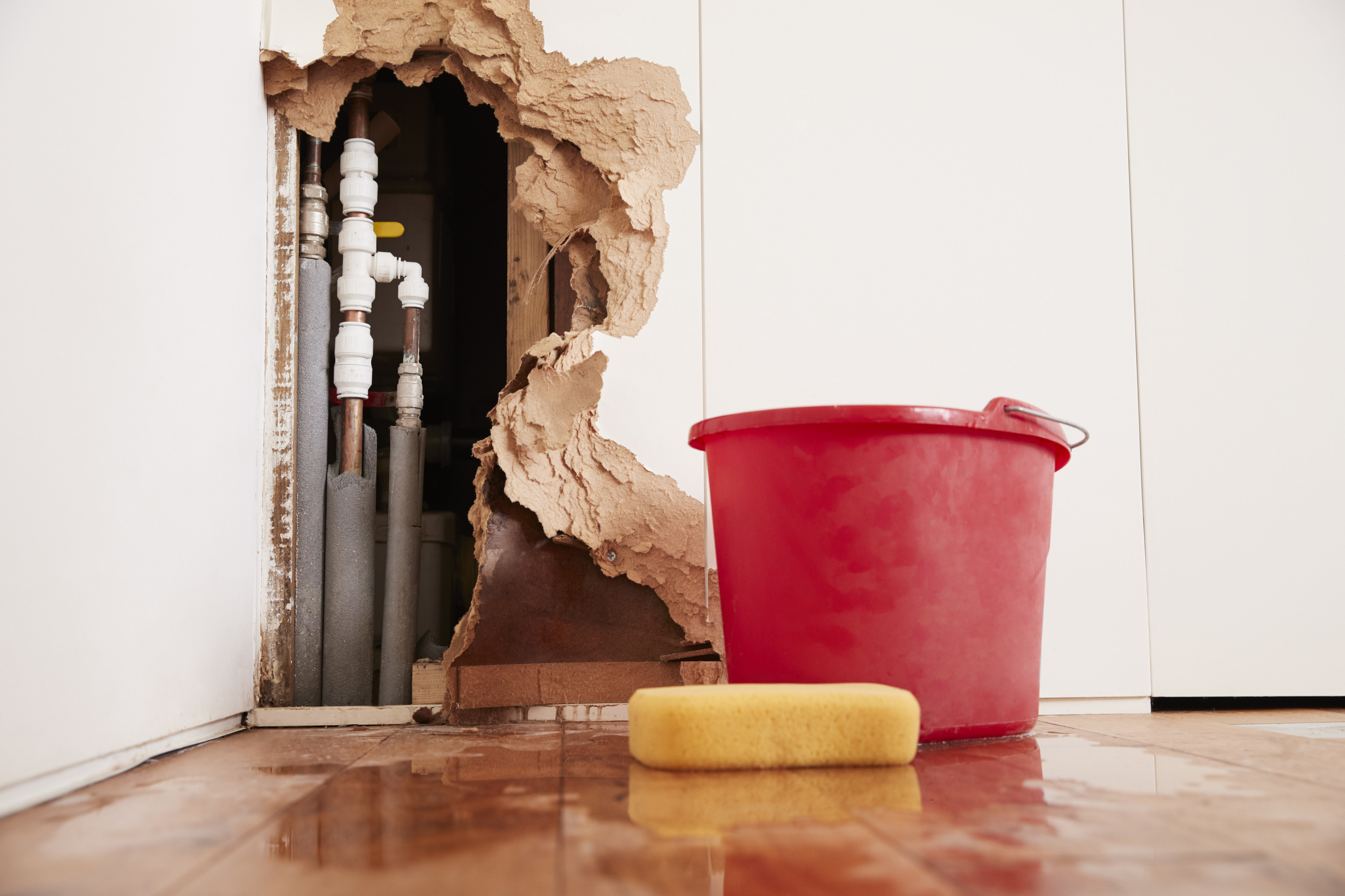
That kind of swing is hard on your plumbing. Frozen pipes can burst, and a burst pipe can dump a lot of water into your home fast. The good news is that most frozen pipes are preventable with a little prep. Here's how to prevent frozen pipes before the first freeze hits Southwest Missouri.
When water freezes, it expands. Inside a pipe, that expansion builds pressure until something gives.
Here's the tricky part: the burst often doesn't show up until things thaw. That's when water starts flowing again, sometimes inside a wall, ceiling, or crawl space where you can't see it.
Some pipes are more likely to freeze than others. Watch for:
Do these now, before the first hard freeze:
A hose left attached can trap water in the spigot. Disconnect, drain, and store your hoses, and shut off and drain outdoor faucets if they have an interior shutoff valve.
Foam pipe sleeves are cheap and easy to install. For a few dollars, you can protect the pipes most likely to freeze. That's a lot cheaper than a water damage cleanup.
Cold air sneaking into crawl spaces, around rim joists, and near pipe penetrations can freeze pipes even in a heated home. Seal gaps where you can.
This one takes two minutes and can save you thousands. Find your main water shutoff valve, make sure it turns, and show everyone in the house where it is.
When a hard freeze is in the forecast:
Think about it this way. A slightly higher heating bill for a few nights is nothing compared to a burst pipe in the wall.
Watch for these red flags:
If you think a pipe is frozen, keep the faucet open and warm the pipe gently with a hair dryer or space heater kept at a safe distance. Never use an open flame. If you can't reach it or it won't thaw, call a plumber.
If a pipe does burst, move fast:
The sooner the water is extracted and the structure is dried, the less damage you'll have and the lower the chance of mold.
A lot of homes in Southwest Missouri have crawl spaces, and they're one of the most common places for pipes to freeze. They're out of sight, often poorly insulated, and exposed to cold air through vents and gaps.
Before winter, it's worth a quick look (or having a pro look) for:
If you can feel a cold draft in your crawl space, your pipes can feel it too. Closing vents during winter (if your home is set up for it) and sealing obvious gaps can help a lot.
For pipes that are especially exposed, heat tape or pipe heating cables can add protection. These products warm the pipe to keep water from freezing.
If you use them, follow the manufacturer's instructions closely, use products rated for the job, and check them before each winter. Damaged or misused heating cables can be a fire risk. When in doubt, have a plumber or electrician install them.
Technology can help catch problems early. Smart water leak detectors are small sensors you place near water heaters, under sinks, and in basements. When they sense water, they send an alert to your phone.
Some homeowners go a step further with automatic shutoff valves that turn off the water when a leak is detected. For anyone who travels in winter, that kind of early warning can be the difference between a small cleanup and a major loss.
Winter travel and frozen pipes are a bad combination. Before you head out of town:
Think about coming home from a holiday trip to find water pouring through a ceiling. A few minutes of prep before you leave is worth it.
Landlords and owners of vacant properties have extra risk, since nobody's around to notice a problem. Keep the heat on, check the property regularly during cold snaps, and make sure tenants know where the main shutoff is and who to call.
A burst pipe in a vacant home can run for days before anyone finds it.
Every policy is different, so check yours. Many homeowners policies cover sudden water damage from a burst pipe, but coverage can depend on the circumstances, including whether reasonable steps were taken to prevent freezing. Damage from a slow, long-term leak or from neglected maintenance is often treated differently than a sudden burst, and some policies have limits or exclusions for certain types of water damage. If you're not sure what your policy covers, call your agent before winter hits and ask how burst pipes and the resulting water damage are handled.
Either way, document everything. Take photos and videos before cleanup starts, and call a restoration company that works directly with insurance. Clean Green documents damage from the start and coordinates with your insurer.
There's a lot of advice floating around about frozen pipes. Some of it helps. Some of it doesn't.
Not always. Pipes in exterior walls, crawl spaces, and garages can freeze even when the living room is toasty. Cold air finds the gaps.
Homes in milder climates can actually be more vulnerable, because pipes often aren't insulated for hard freezes. Southwest Missouri gets enough cold snaps to make prep worth it, even if winters are mild some years.
It can, but during a hard freeze, a lower nighttime temperature can let pipes in cold spots freeze. Keeping the thermostat steady during extreme cold is cheap insurance.
Not necessarily. A pipe can crack while frozen and only start leaking once it thaws. After a pipe thaws, check nearby walls, ceilings, and floors for signs of water over the next day or two.
Knowing what comes next can make a stressful moment a little easier. After you shut off the water and call for help, a restoration team will typically:
The goal is to dry the structure completely before anything gets closed up, which helps prevent mold and future problems.
These two jobs overlap, but they're different. A plumber fixes the pipe. A restoration company deals with the water damage the pipe caused.
If a pipe freezes but doesn't leak, a plumber may be all you need. If water has soaked floors, walls, or ceilings, you'll want both. Clean Green handles the water side from extraction and drying through reconstruction.
Outdoor plumbing is first in line when temperatures drop. Beyond disconnecting hoses, consider insulated faucet covers, which are inexpensive foam domes that fit over outdoor spigots. If you have an irrigation system, have it blown out and winterized before the first hard freeze so water isn't sitting in the lines.
Your water heater works harder in winter, and an older unit is more likely to fail when it's under strain. Check around the base for rust, moisture, or puddles before cold weather hits. A failing water heater can release a lot of water quickly, so if it's showing signs of age, it's worth having it looked at.
A little prep this fall can save you from a big mess this winter. Insulate, seal, disconnect, and know where your shutoff is.
And if the worst happens, Clean Green Restoration is ready. The locally owned Nixa team responds 24/7, typically within 60 minutes anywhere in Southwest Missouri, and handles everything from water extraction and drying through full reconstruction. They also work directly with your insurance company.
Burst pipe or water in your home? Call now at (417) 300-5062. Clean Green Restoration is available 24/7!
Have a question or need emergency restoration help? Call us 24/7 at (417) 300-5062 or visit cgrmo.com.